Featuring David
-
![]()
September 14th, 2026
Discussion on savoring more to consume less, spotting marketing red flags, and the small daily actions that reshape buying habits over time, previewing Why We Buy, and Why It Matters.
-
![]()
August 4th, 2026
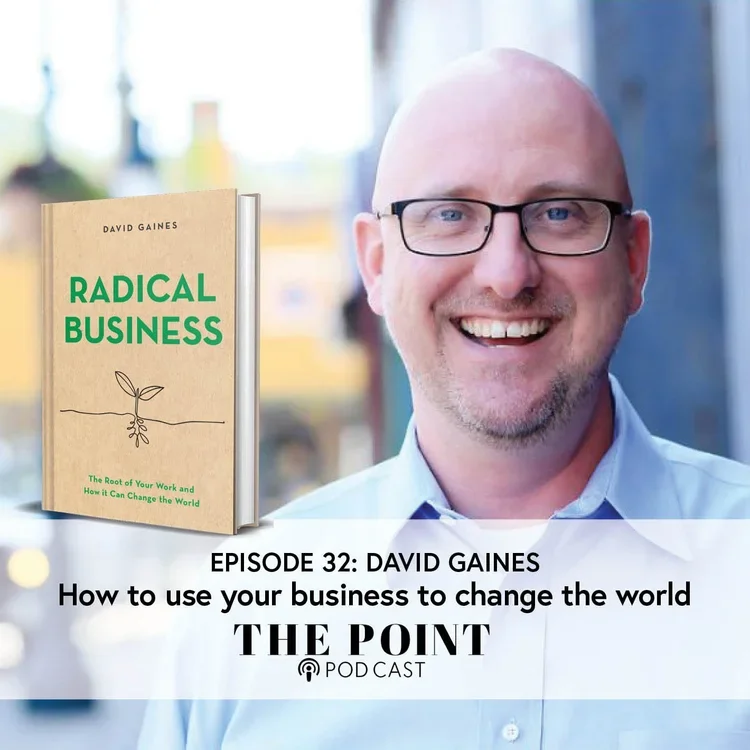
David Gaines on ethical supply chains, direct trade coffee, and how everyday purchases shape better business — plus the framework behind Why We Buy, and Why It Matters.
-
![]()
June 30th, 2026
Conversation on conscious consumption and the simple practices that turn individual purchases into collective movements, previewing Why We Buy, and Why It Matters.
-
![]()
January 25th, 2025
Systems Shaker interview with David on the power of small businesses to drive change, employee well-being, experimentation, and the "why" behind impact-driven work.
-
![]()
October 22nd, 2024
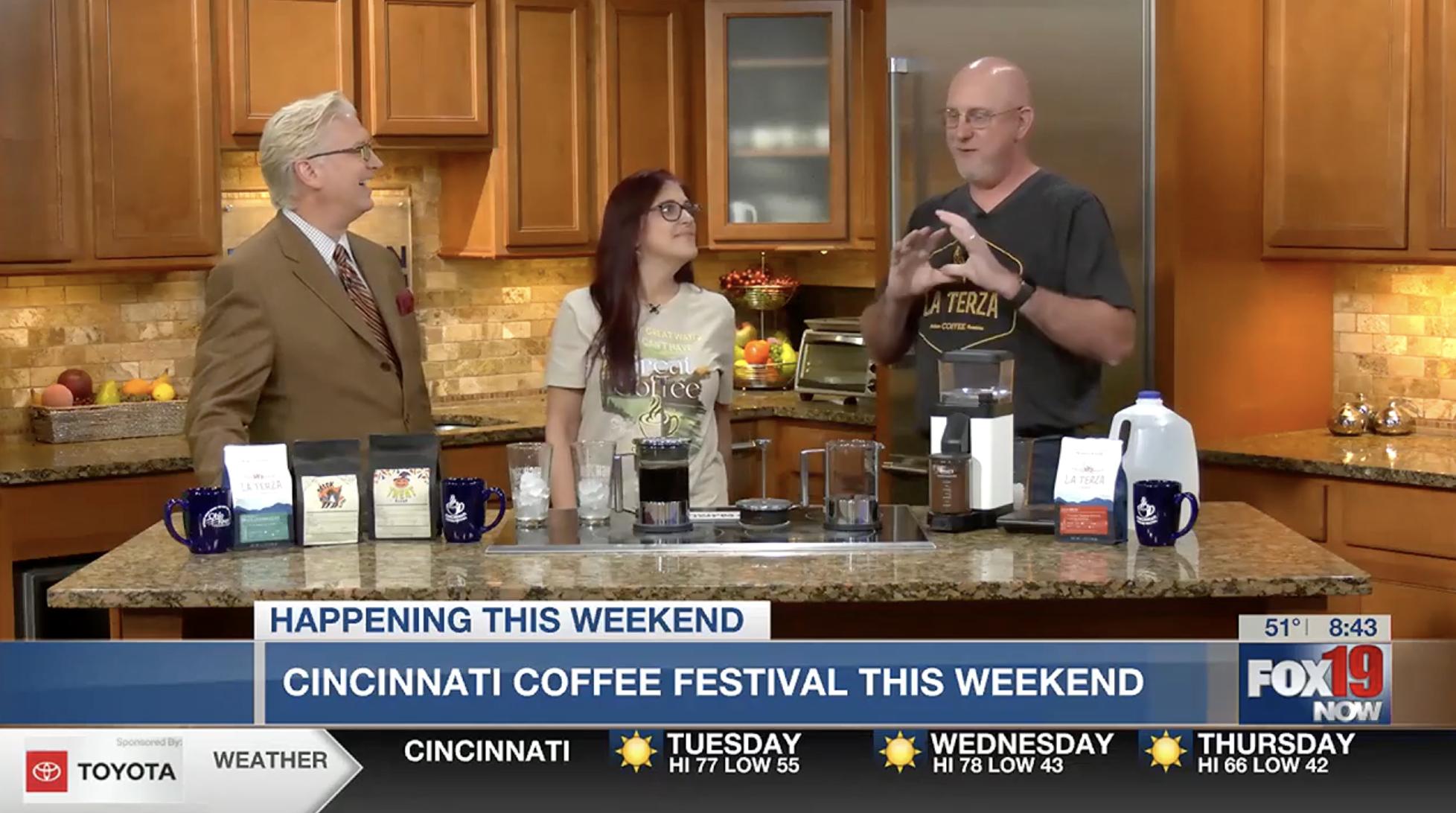
FOX19 NOW Cincinnati segment previewing the 2024 Cincinnati Coffee Festival at Music Hall, with David representing La Terza Coffee.
-
![]()
September 3rd, 2024
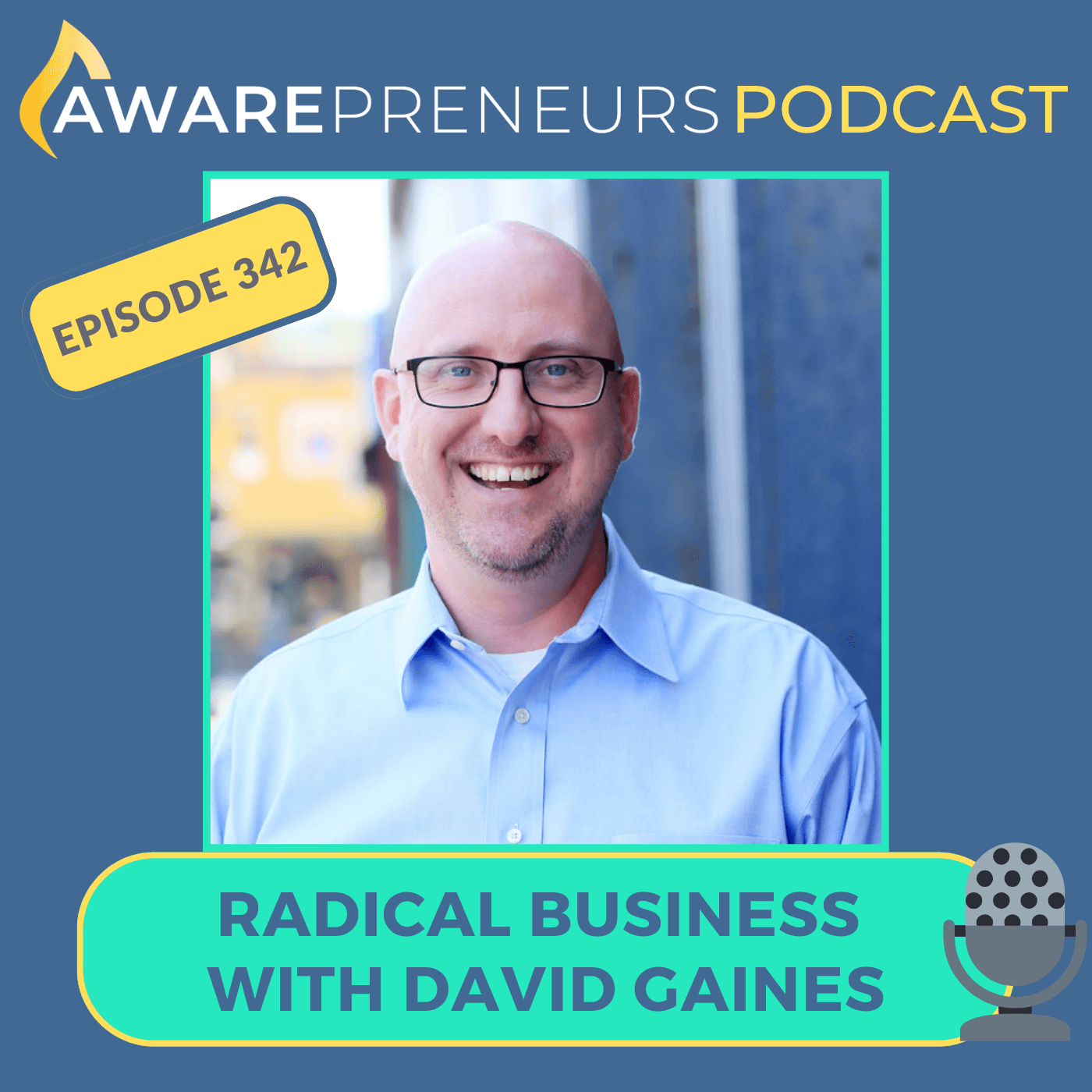
Conversation with social enterprise colleague Paul Zelizer on Radical Business, La Terza Coffee, and David's work building communities of business for good.
-
![]()
January 10th, 2024
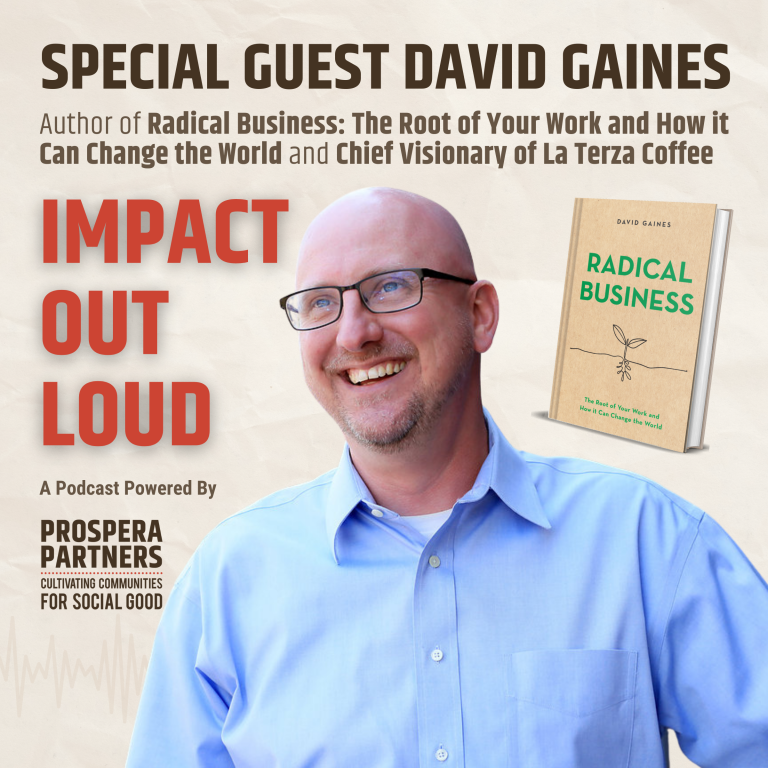
Two-part conversation on the Impact Out Loud podcast covering Radical Business, La Terza Coffee, and the Seven Seeds of Social Enterprise framework.
-
![]()
June 6th, 2023
Conversation on how discovering the social enterprise model reshaped David's vision for what business can be, and his dream of a world where every company operates that way.
-
![]()
May 16th, 2023
Conversation on Radical Business, La Terza Coffee, and David's vision for a world where every business operates as a social enterprise.
Get in touch
For media inquiries and book requests, please contact Trina Kaye at trinakaye@tkopr.com.
For all other inquiries, please email David at david@davidgaines.com or fill out the contact form below.
press resources
press resources
David’s Bios
-
David Gaines is the CEO of La Terza Coffee and the author of Radical Business and the Why We Buy, and Why It Matters.
-
David Gaines is the CEO of La Terza Coffee, a Cincinnati-based social enterprise that sources directly from women coffee producers in Honduras. He is the author of Radical Business, winner of the 2024 CIPA EVVY Gold Award, and Why We Buy, and Why It Matters: Small Choices, Big Impact (2026), published by The Collective Book Studio. He writes and speaks on conscious consumption and the stakeholder economy.
-
David Gaines is the CEO of La Terza Coffee, a Cincinnati-based social enterprise that sources directly from women coffee producers in Honduras. Under his leadership, La Terza has built a profitable business around long-term relationships with producers rather than commodity pricing, demonstrating that supply chains can be both ethical and economically sustainable.
He is the author of Radical Business, winner of the 2024 CIPA EVVY Gold Award, and Why We Buy, and Why It Matters: Small Choices, Big Impact (2026), published by The Collective Book Studio. Written for everyday consumers rather than business owners, it argues that conscious consumption is a form of economic activism and that the shift from a shareholder to a stakeholder economy happens through individual choices at scale. The book is organized around a "Seven Seeds" framework covering the stakeholder groups every purchase touches: supply chain, employees, customers, community, competitors, environment, and self.
David also runs buybetterstories.com, a reader resource that curates ethical companies vetted against a transparent rubric. He speaks to corporate audiences, conferences, and faith communities on the case that business decisions are inherently moral choices, and that the people who buy, work, and live within an economy have more power to shape it than they often realize.
Media Kit/
Speaker Sheet
Headshots
& Photos
Headshots
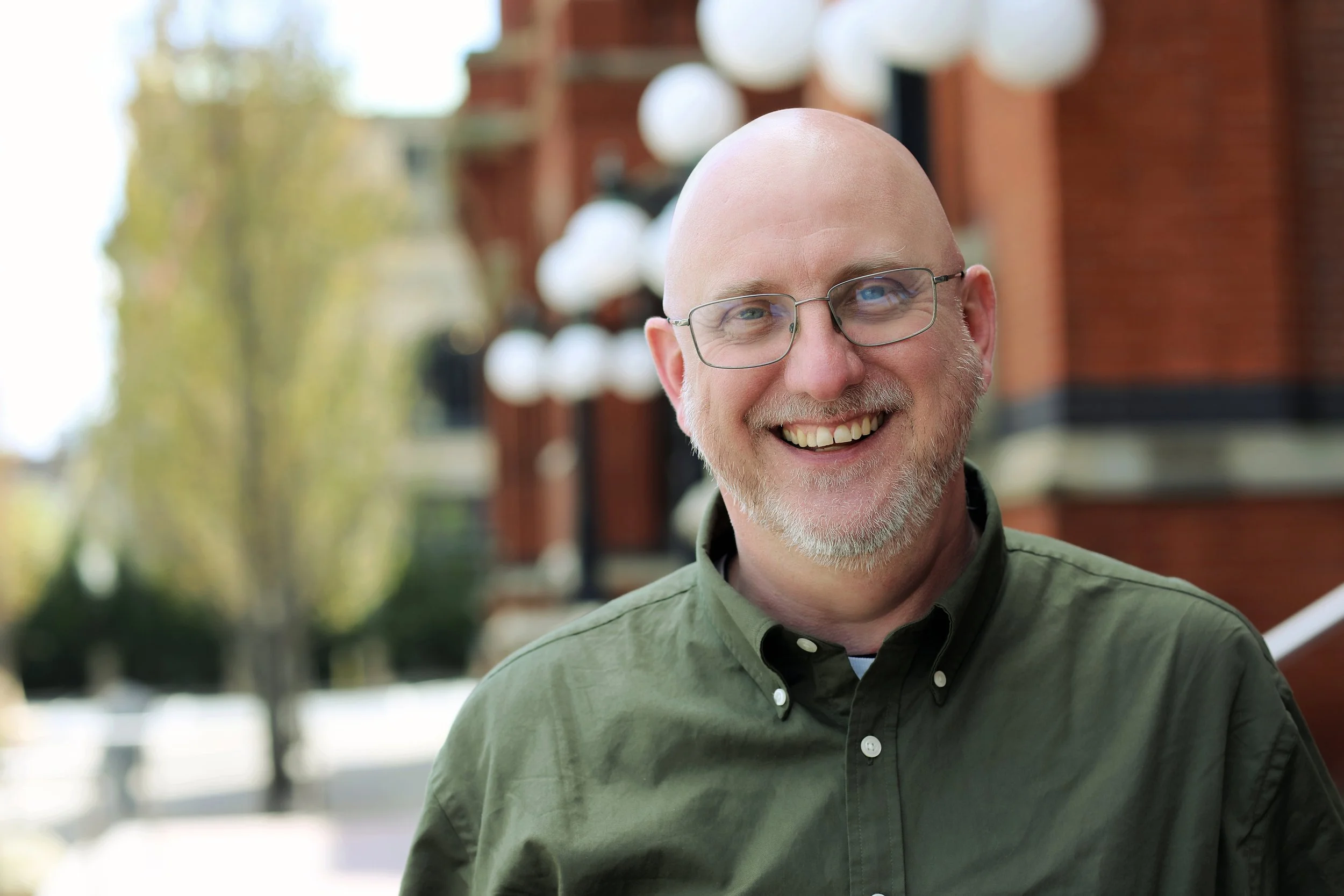
a variety of headshots taken by Tine Hofmann (TM Photography)
Book Images
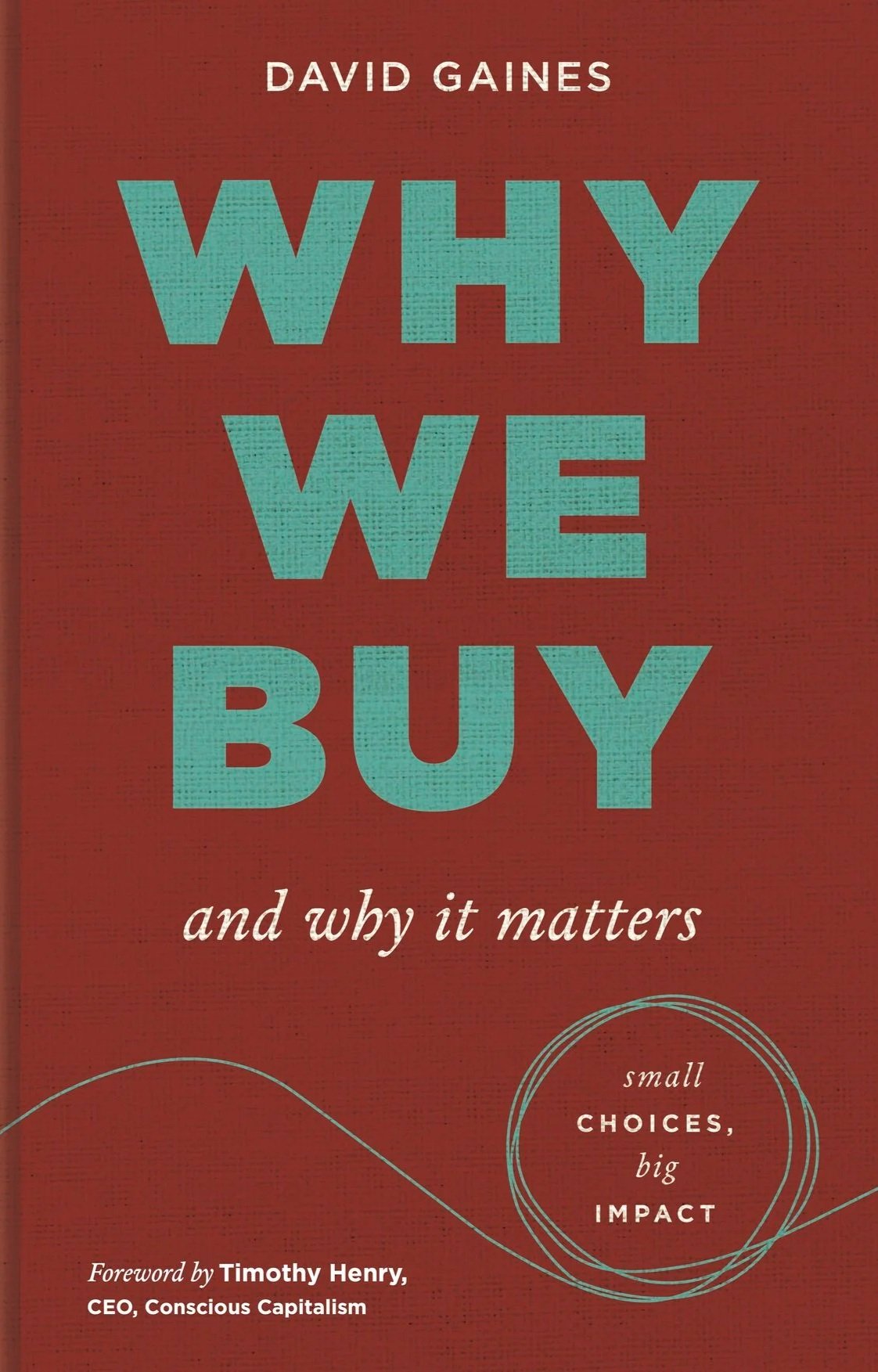
book covers (flat and 3D) and publishing info for Radical Business and Why We Buy
La Terza Assets
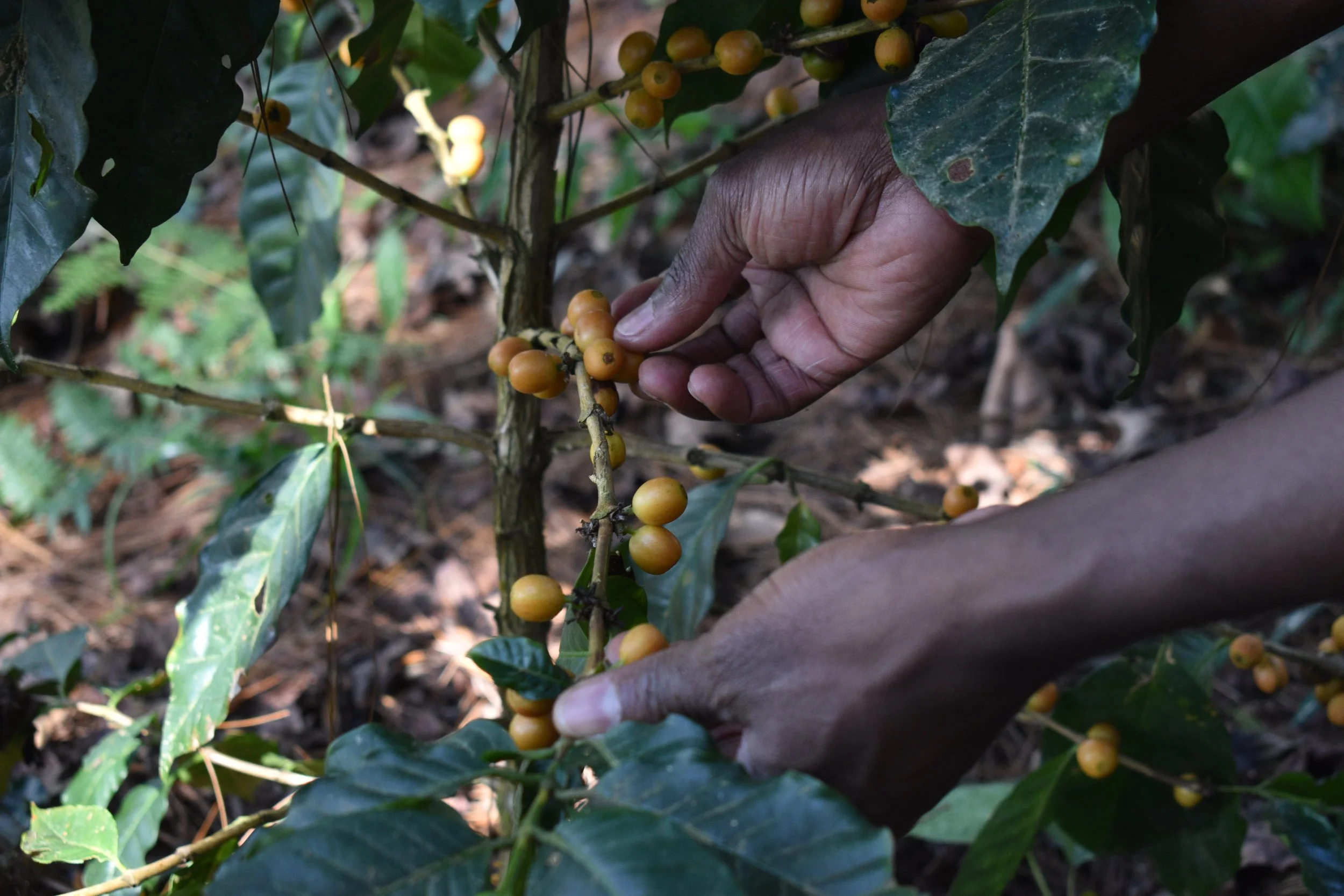
La Terza logos and B-roll footage from coffee farms in Honduras
Speaking
Topics
-
What if the most consequential political act you perform each week happens at the checkout line? Drawing on the history of consumer movements and the research of Erica Chenoweth, David makes the case that conscious consumption is an effective form of economic activism, and that we are closer to systemic change than we realize.
-
Fred Rogers, the gentlest man on television, was often very angry, according to the documentary Won't You Be My Neighbor. Drawing on Rogers's life and his own journey, David explores the difference between emotional reactivity and emotional energy channeled into change, and what it looks like to focus anger, grief, and even joy into the kind of quiet, revolutionary acts that change systems.
-
Every business decision touches seven stakeholders: supply chain, employees, customers, community, competitors, environment, and self. David walks leaders through the framework at the heart of Radical Business and Why We Buy, with practical examples of what it looks like to plant each seed inside an existing organization.
-
The Third Place: those welcoming spaces that exist between home and work, where community happens. These spaces have always been part of the fabric of communal life, and where they thrive, communities thrive with them. Drawing on twenty-plus years of building La Terza Coffee and supporting independent shops across the Midwest, David shares how to empower your business to cultivate conversation, dialogue, and connection across backgrounds and perspectives.
-
David shares the story of La Terza's direct relationships with women coffee producers in Honduras, what those relationships have cost, what they have made possible, and why he believes knowing one producer personally is the single most transformative act available to a modern consumer.
-
The biggest obstacle to ethical buying is perfectionism. David offers a practical, grace-filled approach to conscious consumption that gets people unstuck from all-or-nothing thinking and into sustainable practices they can actually maintain.
-
For audiences open to it, David draws on his own journey of faith deconstruction and reconstruction to explore what spiritual traditions have always known about money, work, and their neighbor, and what they still have to offer those looking for an economic vision worth to believe in.
Potential
Interview
Questions
You open Why We Buy by saying you're ecstatic about the future, which is not the response most people expect right now. Why?
You run a coffee company that sources directly from women producers in Honduras. How did La Terza come to operate that way, and what has it cost you to do business like this?
Your book argues that conscious consumption is a form of economic activism. For someone who has never thought of buying that way, what does that actually mean?
You write about the shift from a shareholder economy to a stakeholder economy. What's the difference, and why does it matter to a regular person who doesn't own stock?
Erica Chenoweth's research on the 3.5% threshold is foundational to the book. Can you walk us through what she found and why it gives you hope?
You introduce a framework called the Seven Seeds. What are the seven, and how did you land on that structure?
A lot of conscious-consumption writing slides into either guilt or perfectionism. How do you avoid the these traps?
You write about being "beautifully angry," a phrase that goes back to a moment watching the Mr. Rogers documentary. Can you tell that story?
One of your core asks is for readers to know one producer personally. Why one? Why personally?
You're pretty direct that give-back and donation-only business models don't go far enough. What's the distinction you're drawing, and who does it right?
You write about historical movements like the 1890s consumer leagues and the response to the Triangle Shirtwaist Factory fire. What do those moments have to teach us now?
What do you say to someone who feels like their individual choices don't matter against systems this big?
You've been on a journey of faith deconstruction and reconstruction. How does that show up in how you think about money, work, and economic life?
If a listener takes away one practice from this conversation and starts it on Monday morning, what would you want it to be?
The book is called Why We Buy, and Why It Matters. After writing it, how would you answer your own question?
Credentials
David is…
Author of Why We Buy, and Why It Matters (The Collective Book Studio, October 2026)
Author of Radical Business (2024 CIPA EVVY Gold Award winner)
A Speaker on conscious consumption, stakeholder and ethical business, and Best Practices in Coffee
the owner and CEO of La Terza Coffee
The Co-founder of Buy Better Stories
The Founder of business coaching firm, Radical Gaines
Previously…
The co-host of The Third Place Podcast
The board chairperson of Social Enterprise Alliance
Endorsements and Awards
Praise for Why We Buy and Why It Matters
2024 CIPA EVVY AWARDS WINNER | GOLD
Praise for Radical Business